Hi! My name is Josh, this me blog.
The dance of pleasing the social media algorithims of the world’s biggest companies, whilst being beat to death by strangers with their comments displeased me so now I’m here.
I wish I were the kind of person who could just live without broadcasting. But there’s an animal inside me — right down in the marrow — that keeps asking ‘can you see me?’ and silence has never once soothed it.
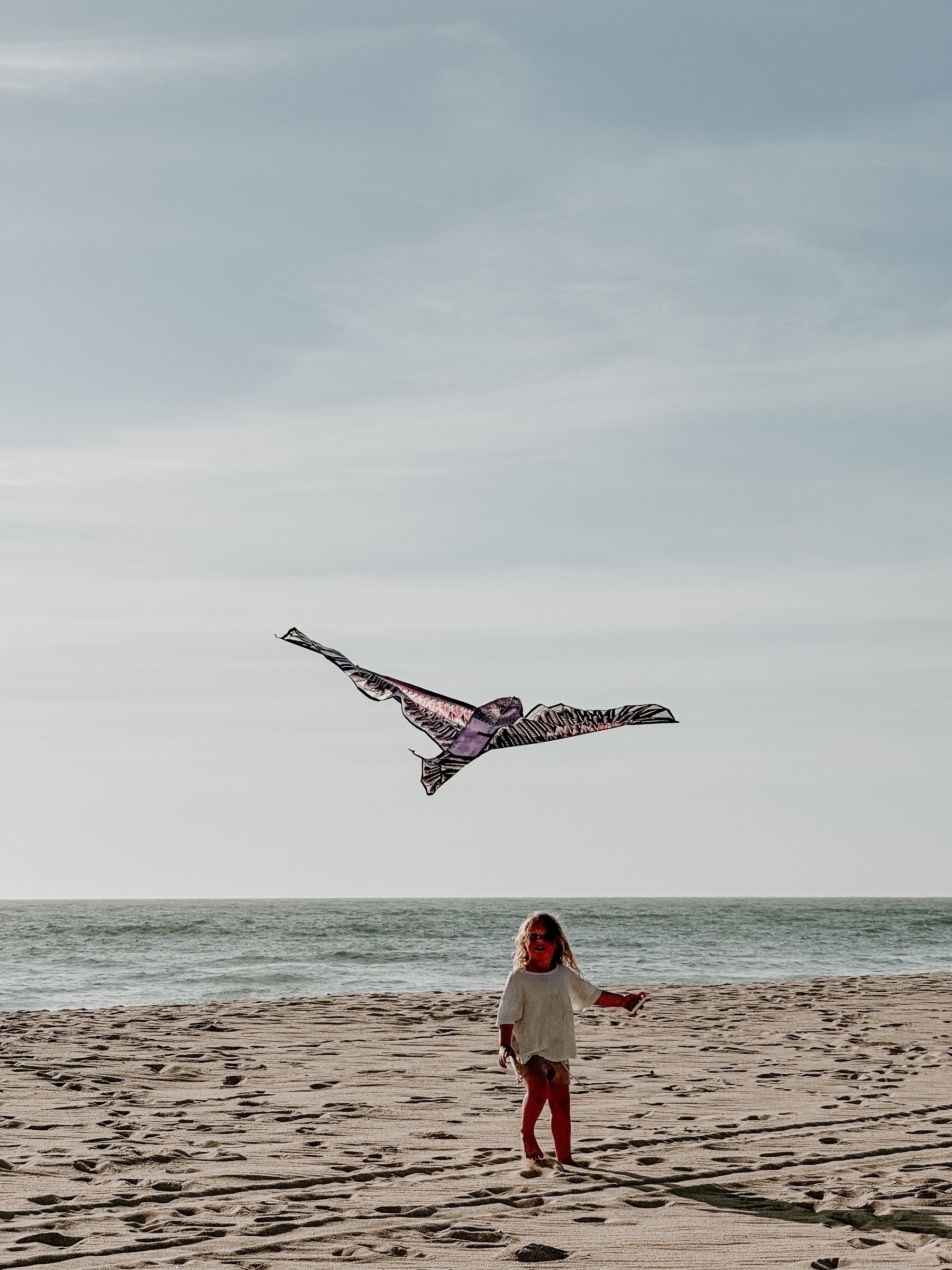
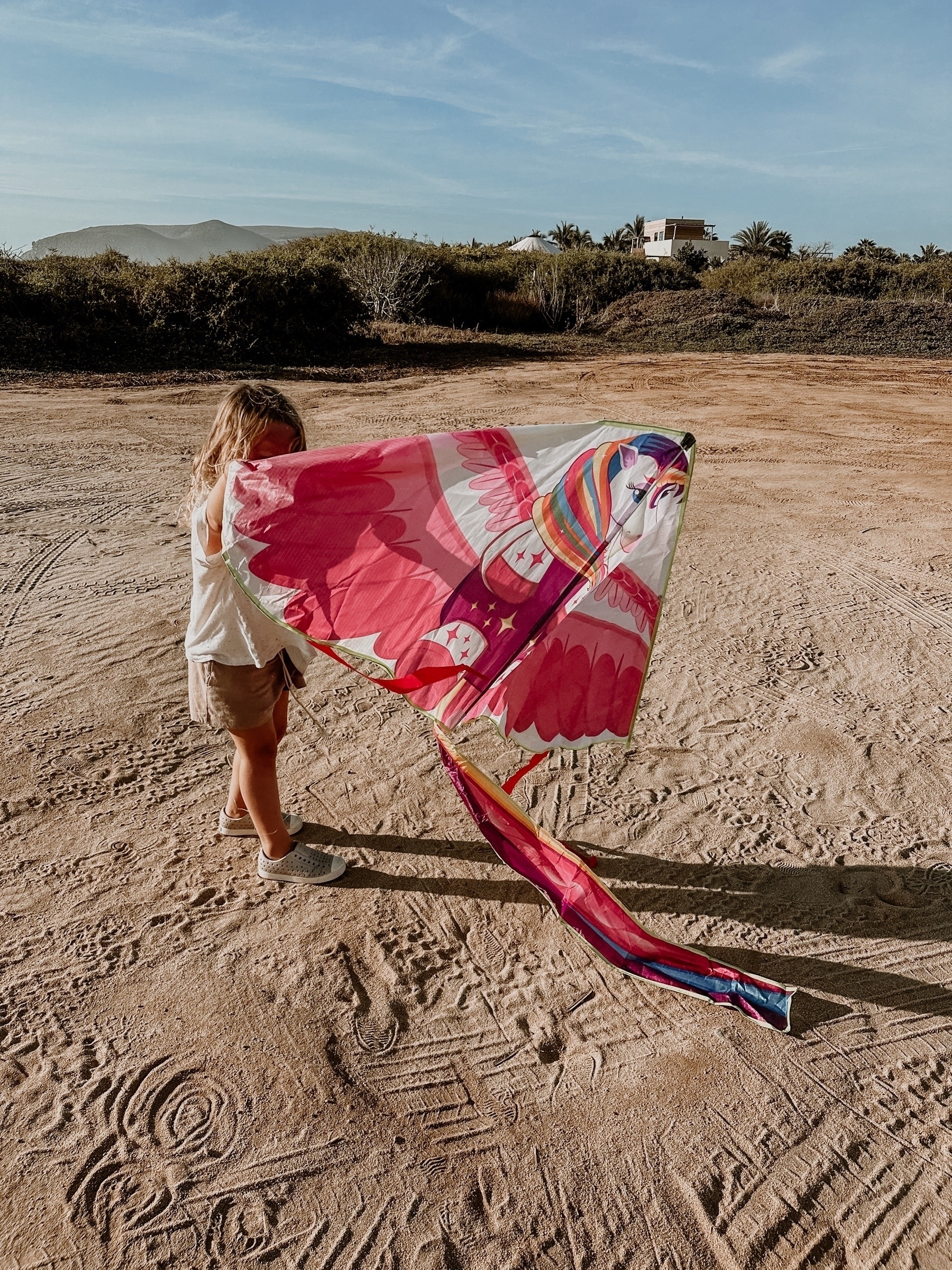
Luna and I flexing our frequent flyer privileges this afternoon.


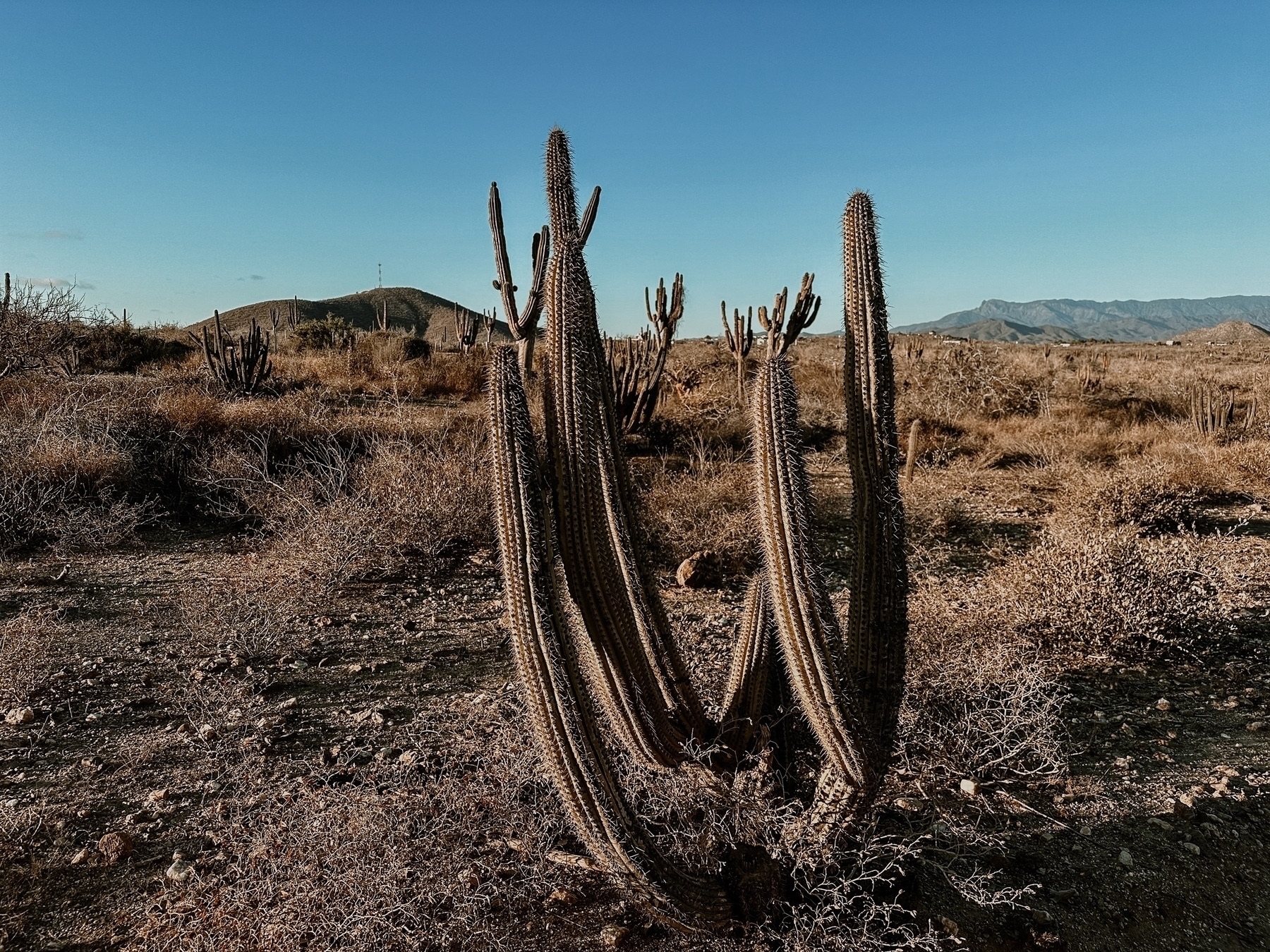
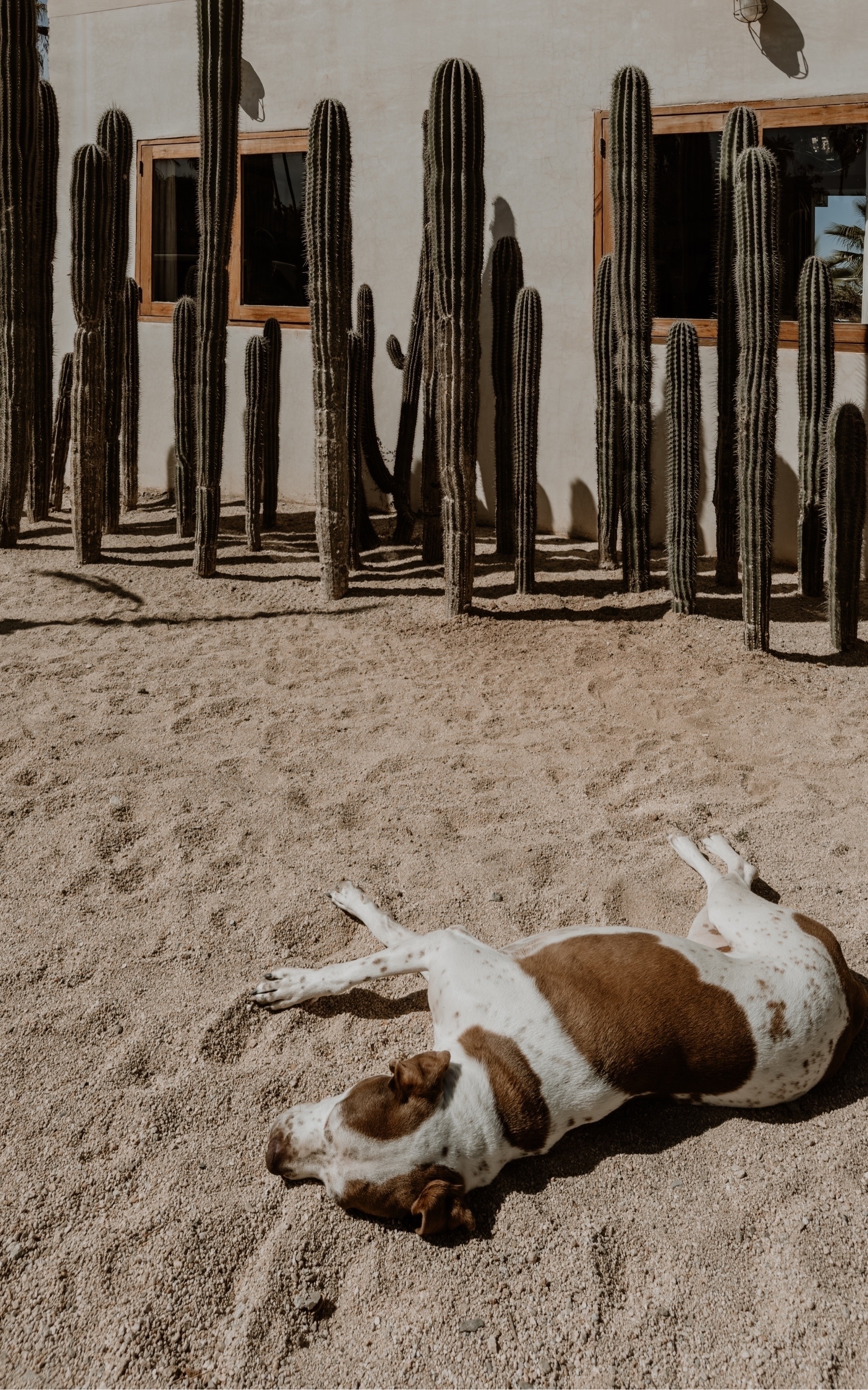
This week in cactus


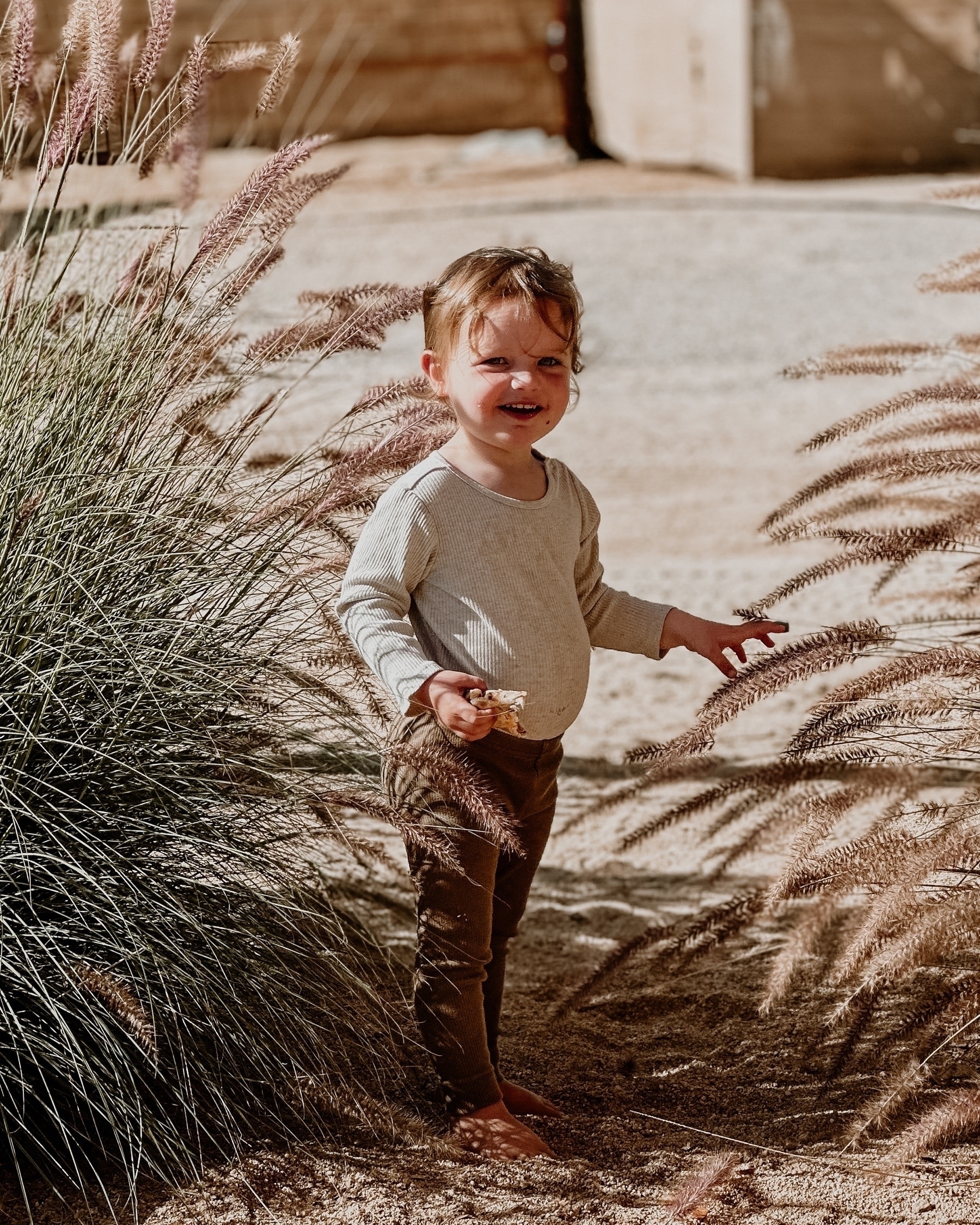
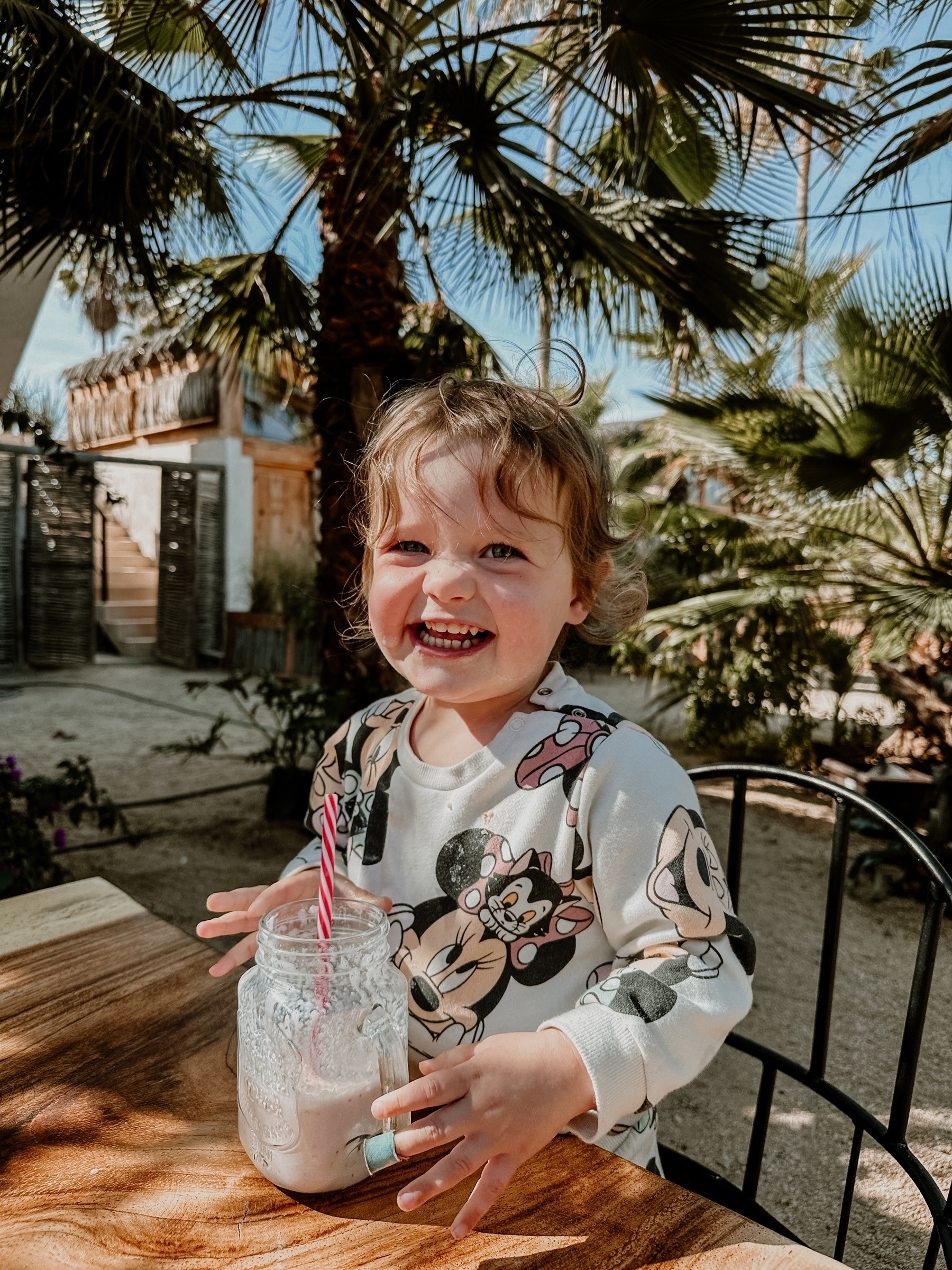
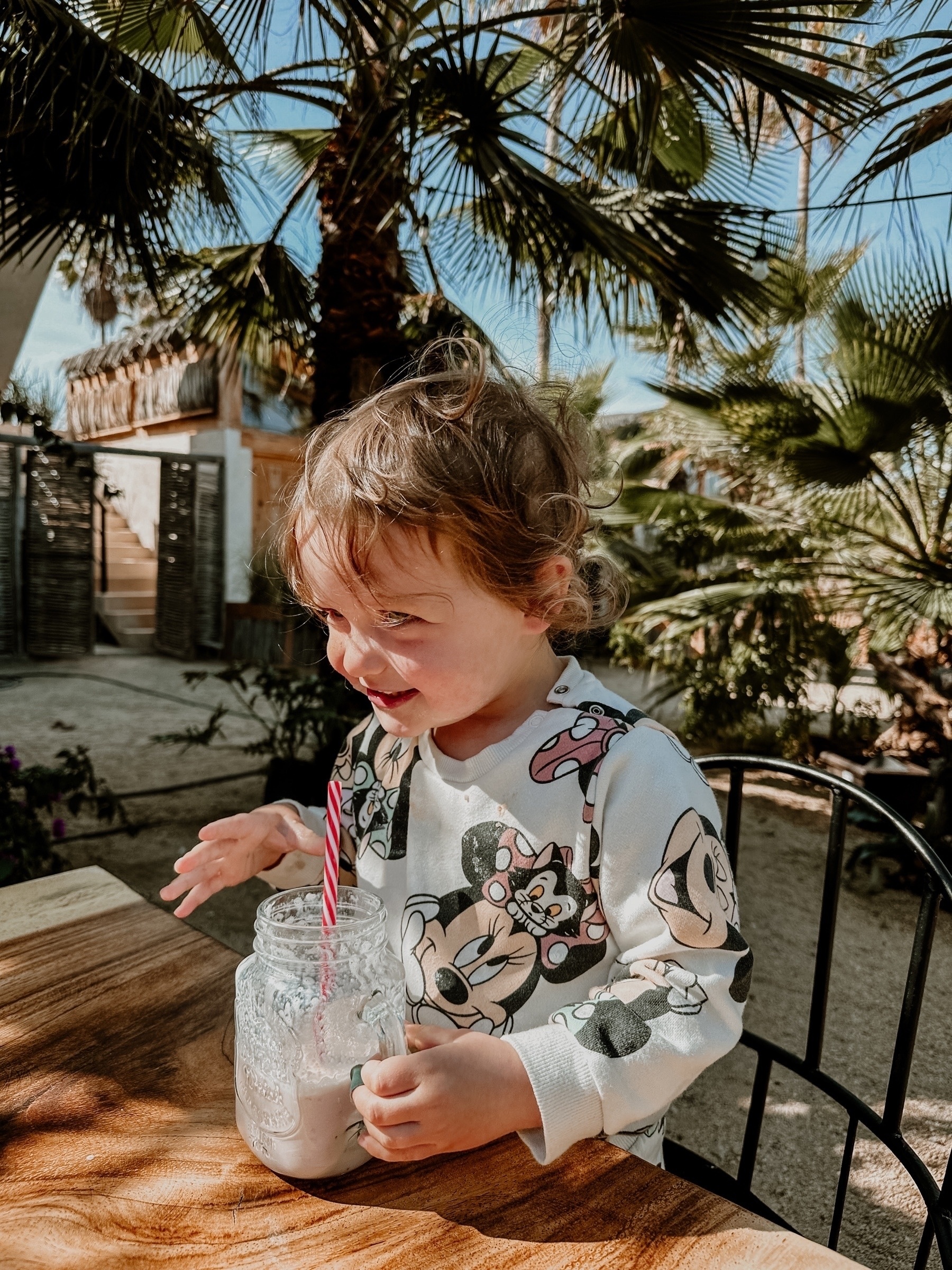
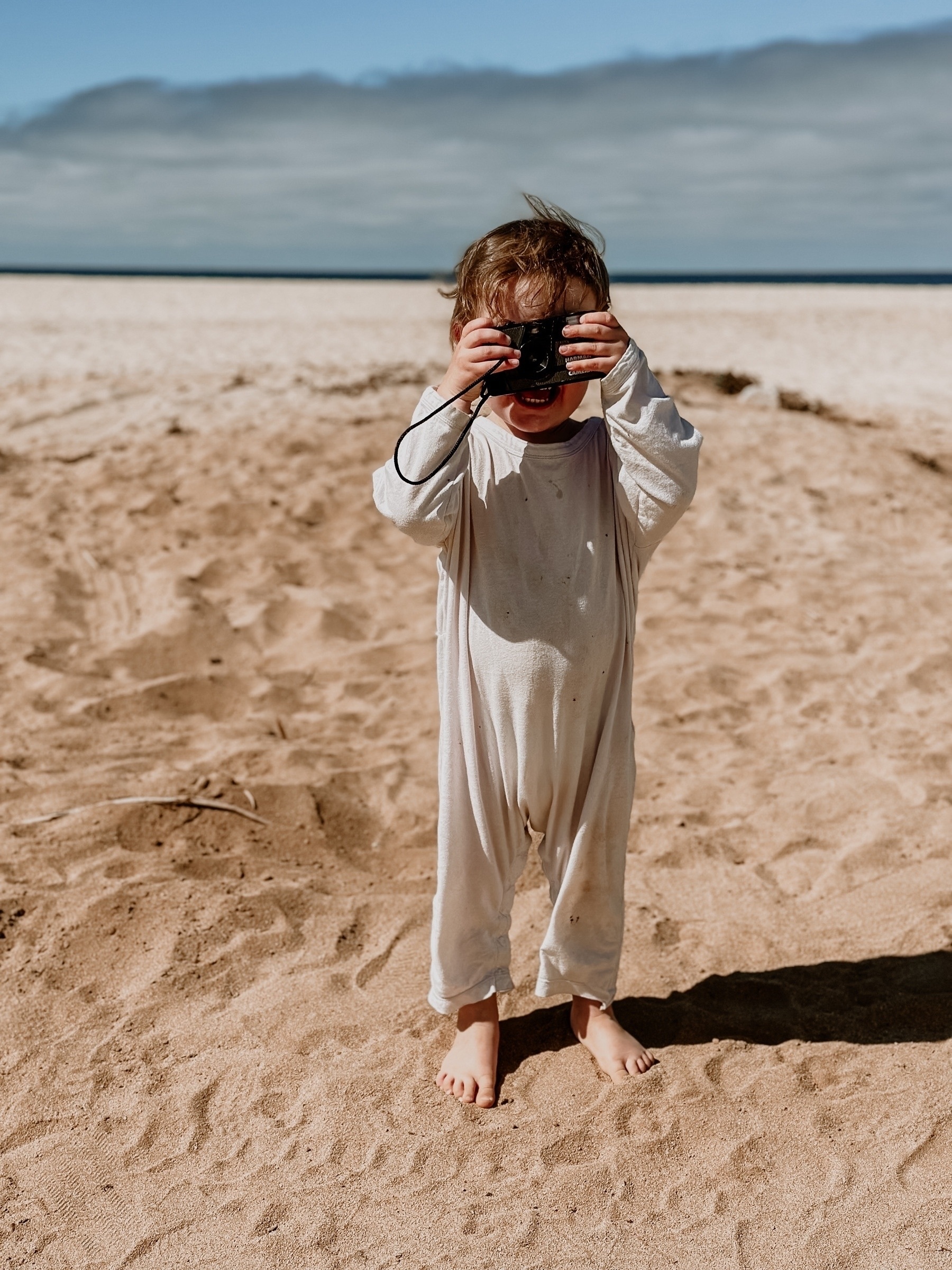
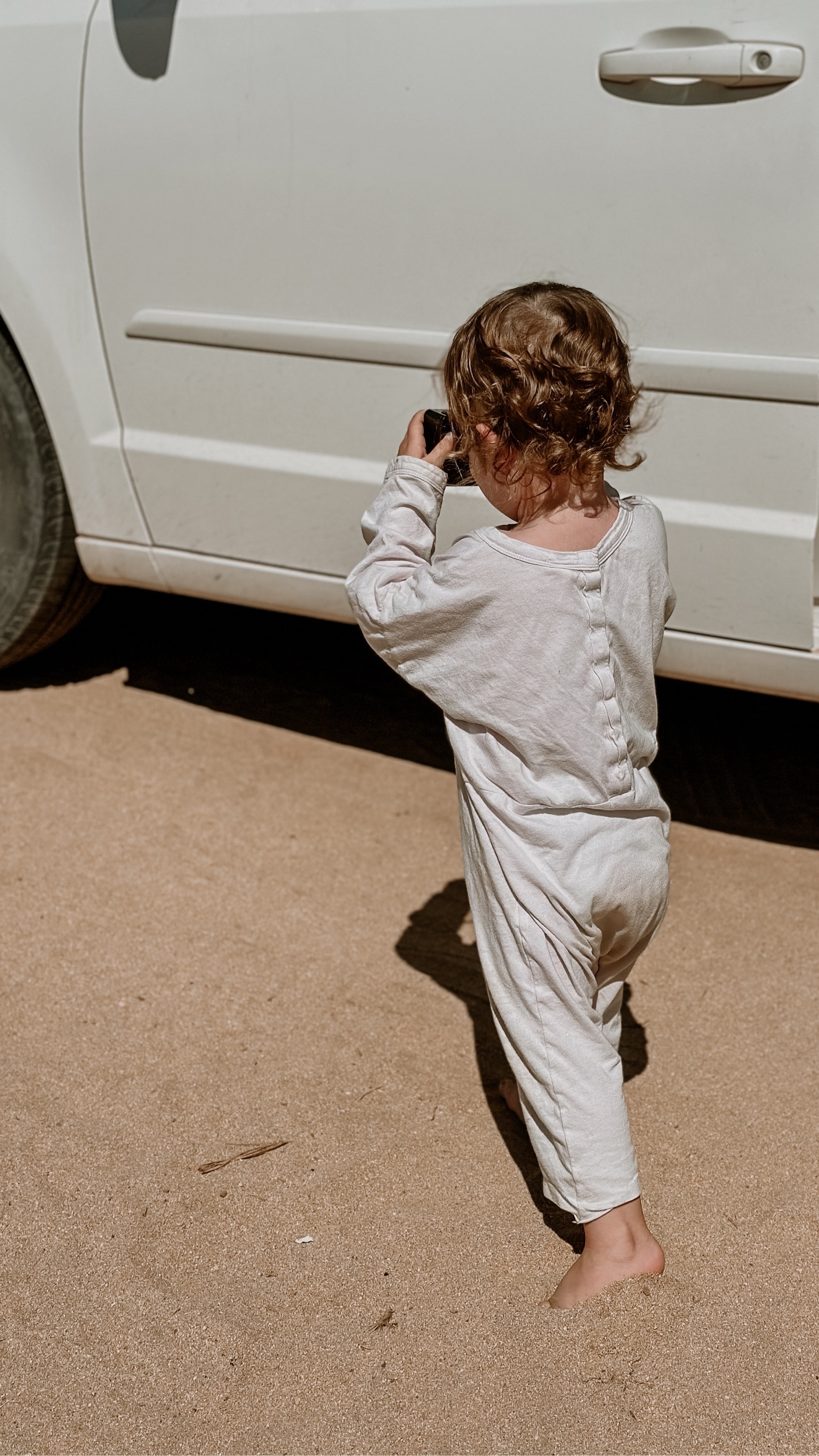
While Britt’s been away this last fortnight I’ve had heaps of one-on-one time with Goldie while her big sister is at school.



Jose M. Gilgado on embracing a title to help you actually become, that title:
The earlier you use that new term: “athlete,” “writer,” or “artist,” the easier it will be to accept your new identity and act accordingly.
Jon Haidt in Why the Mental Health of Liberal Girls Sank First and Fastest:
There was a culture that was encouraged on Tumblr, which was to be able to describe your unique non-normative self. That’s to some extent a feature of modern society anyway. But it was taken to such an extreme that people began to describe this as the “snowflake” (referring to the idea that each snowflake is unique), the person who constructs a totally kind of boutique identity for themselves; then guards that identity in a very, very sensitive way; and reacts in an enraged way when anyone does not respect the uniqueness of their identity. On the other side of the political spectrum, there was the most insensitive culture imaginable: 4chan. The communities involved in gender activism on Tumblr were mostly young progressive women while 4Chan was mostly used by right-leaning young men, so there was an increasingly gendered nature to the online conflict. The two communities supercharged each other with their mutual hatred, as often happens in a culture war. The young identity activists on Tumblr embraced their new notions of identity, fragility and trauma all the more tightly, increasingly saying that words are a form of violence. Meanwhile, the young men on 4Chan moved in the opposite direction; they brandished a rough and rude masculinity in which status was gained by using words more insensitively than the next guy. It was out of this reciprocal dynamic that today’s Cancel Culture was born in the early 2010s. Then, in 2013, it escaped from Tumblr into the much larger Twitterverse. Once on Twitter, it went national and even global (at least within the English-speaking countries), producing the mess we all live with today.
Bono and The Edge's Tiny Desk Concert is beautiful. In particular, the "argument between two mates", Stuck in Moment You Can't Get Out Of.

Missing home/Australia/Gold Coast tonight





After reading this, all I want to do is walk the streets of LA.
Helen Garner on happiness in The Guardian:
What is happiness, anyway? Does anybody know? It’s taken me 80 years to figure out that it’s not a tranquil, sunlit realm at the top of the ladder you’ve spent your whole life hauling yourself up, rung by rung. It’s more like the thing that Christians call grace: you can’t earn it, you can’t strive for it, it’s not a reward for virtue. It exists all right, it will be given to you, but it’s fluid, it’s evasive, it’s out of reach. It’s something you glimpse in the corner of your eye until one day you’re up to your neck in it. And before you’ve had time to take a big gasp and name it, it’s gone.
Virginia Heffernan in the Wired article on TSMC, "I Saw the Face of God in a Semiconductor Factory":
In 1675, A French merchant named Jacques Savary published The Perfect Merchant, a mercantile manual that came to double as a guide for doing commerce around the world. Albert O. Hirschman cites Savary to explain how capitalism, which would have been regarded as little but avarice as recently as the 16th century, became the sanest ambition of humans in the 17th.
Savary strongly believed that international trade would be the antidote to war. Humans can’t conduct polyglot commerce across borders without cultivating an understanding of foreign laws, customs, and cultures. Savary also believed the Earth’s resources and the fellowship created by commerce were God-given. “It’s not God’s will that all human necessities be found in the same place,” Savary wrote. “Divine Providence has dispersed its gifts so that humans will trade together and find that their mutual need to help each other establishes ties of friendship among them.”
📷 Spice (#mbmar Micro Blog March photo challenge prompt suggested by @cygnoir)

It's been four months since I've blasted this idea across the internet, so here's my regular reminder that I blog before I post on social, and that blog automatically sends a weekly roundup to anyone that subscribes.
I can't stop thinking about this RIAA story with Steve Jobs. It's amazing how fragile - while also strong - the world is. Thank God Rogue Amoeba made it through, I use their software every day.
How to cook soup, by the late Dean Allen:
First, you need some water. Fuse two hydrogen with one oxygen and repeat until you have enough. While the water is heating, raise some cattle. Pay a man with grim eyes to do the slaughtering, preferably while you are away. Roast the bones, then add to the water. Go away again. Come back once in awhile to skim. When the bones begin to float, lash together into booms and tow up the coast. Reduce. Keep reducing. When you think you have reduced enough, reduce some more. Raise some barley. When the broth coats the back of a spoon and light cannot escape it, you are nearly there. Pause to mop your brow as you harvest the barley. Search in vain for a cloud in the sky. Soak the barley overnight (you will need more water here), then add to the broth. When, out of the blue, you remember the first person you truly loved, the soup is ready. Serve.
Shane Claiborne in The Irresistible Revolution:
Once we are actually friends with folks in struggle, we start to ask why people are poor, which is never as popular as giving to charity.
Gurwinder:
The Opinion Pageant: The rise of social media as the primary mode of interaction has caused us to overvalue opinions as a gauge of character. We are now defined more by what we say than what we actually do, and words, unlike deeds, are cheap and easy to counterfeit.
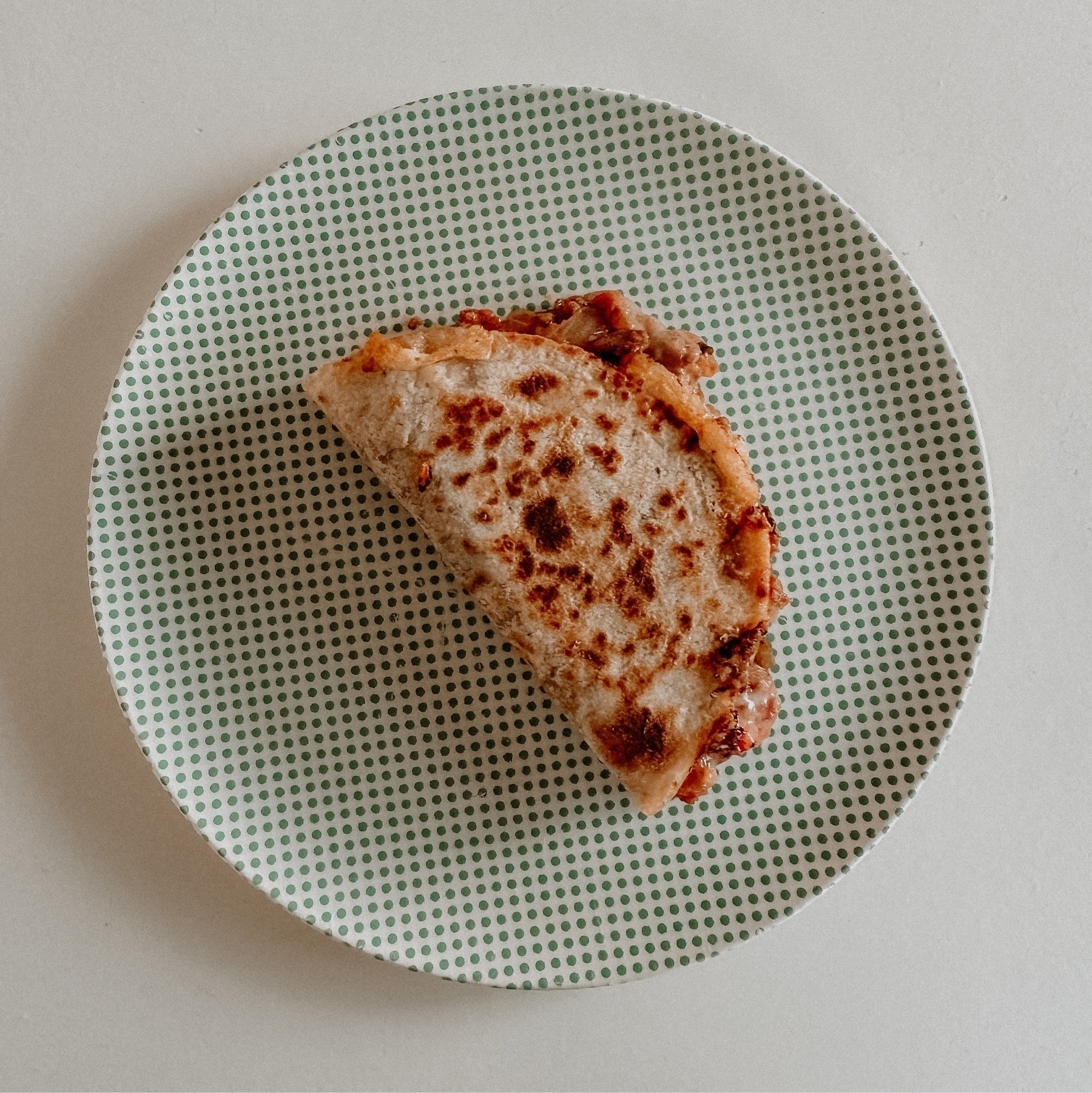
Help me name my new creation which I made for the kids for dinner tonight. It’s a quesadilla with leftover spaghetti bolognaise sauce and despite Luna’s objections, it’s great!
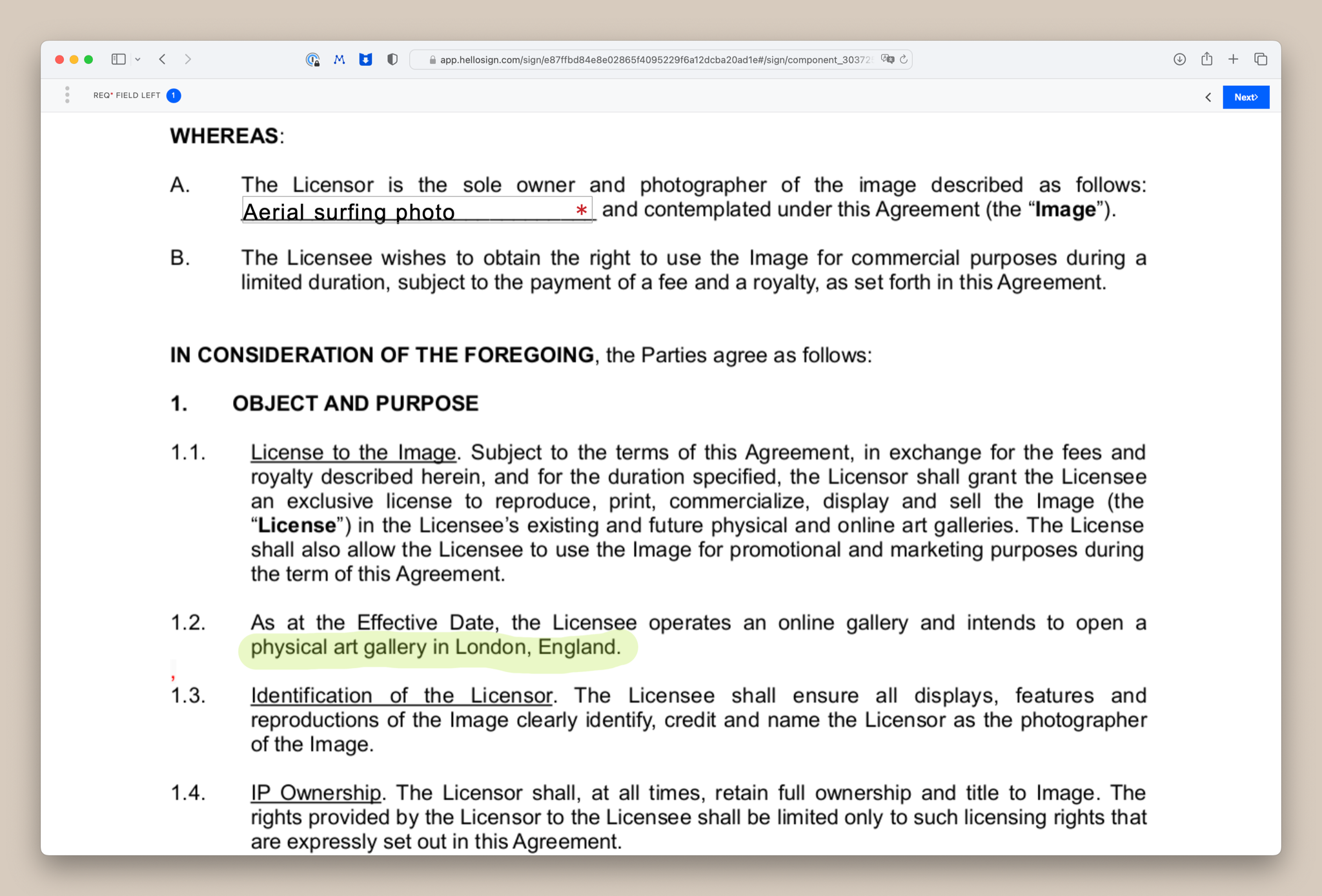
Coming soon to old London Town, pixels that I made in Burleigh Heads.
Rutger Bregman in Humankind:
Cynicism is a theory of everything. The cynic is always right.
📷 Court (#mbmar Micro Blog March photo challenge prompt suggested by @rom)
Most people I respect or look up to journal every day but it's not a habit I can get into. Tonight I learned about the simple and powerful 1-1-1 journalling method, and then to get nerdy with it, there's a tutorial on making a Shortcut to make it easier. Then follow this advice from Apple on how to run a Shortcut from a Reminder, I prompted Siri to remind me of it every day at 9pm.
Had coffee at a cafe in Todos Santos today where they hand out 30-minute wifi access codes. They mixed my order up - bringing a cold americano with hot milk when I ordered the reverse - so my 30 minutes ran out in the middle of a text chat. I asked for another code and the barista said "you should have bought food if you wanted more wifi" then walked away!
📷 Chance (#mbmar Micro Blog March photo challenge prompt suggested by @V_)
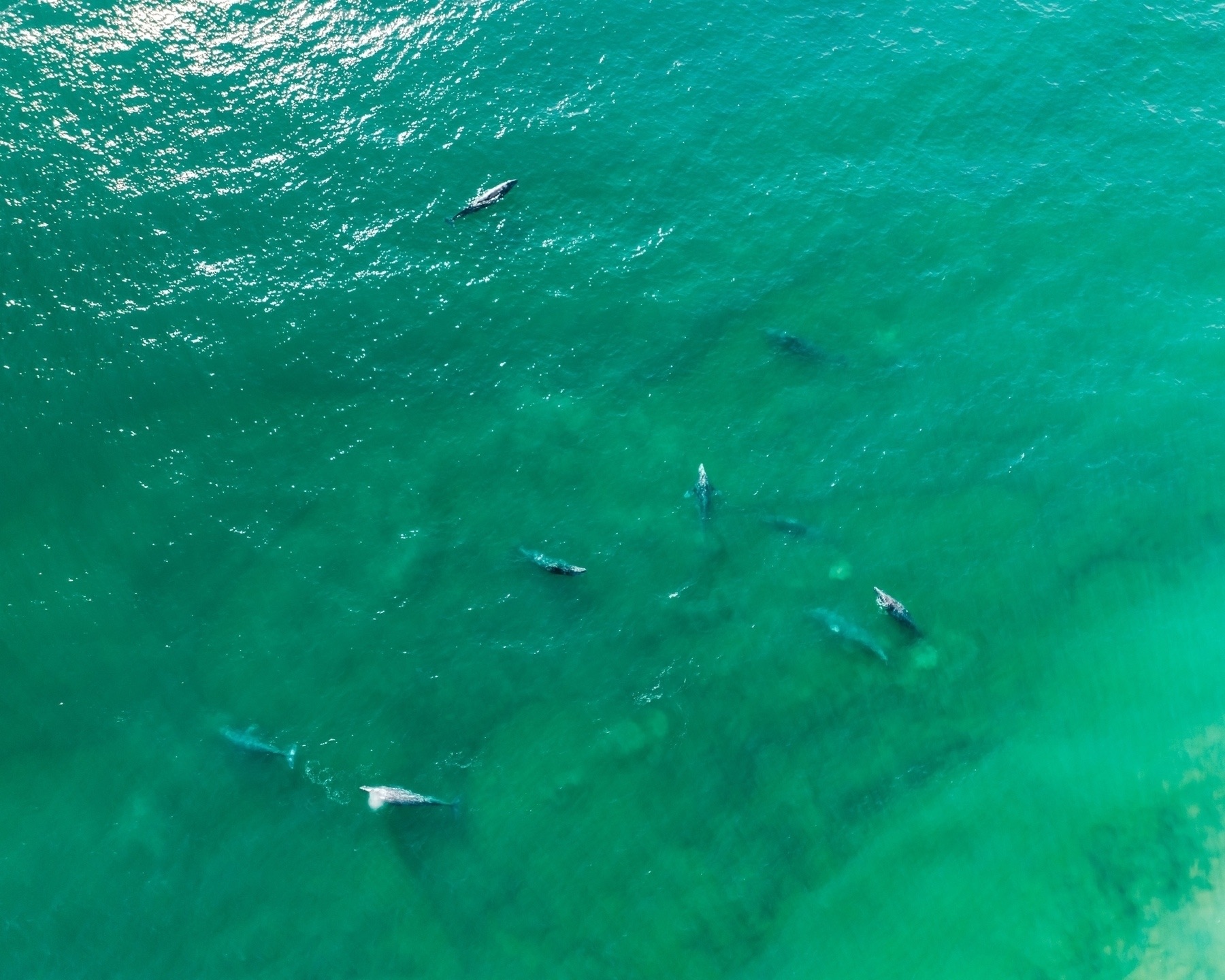
📷 Insect (#mbmar Micro Blog March photo challenge prompt suggested by a@alexink)
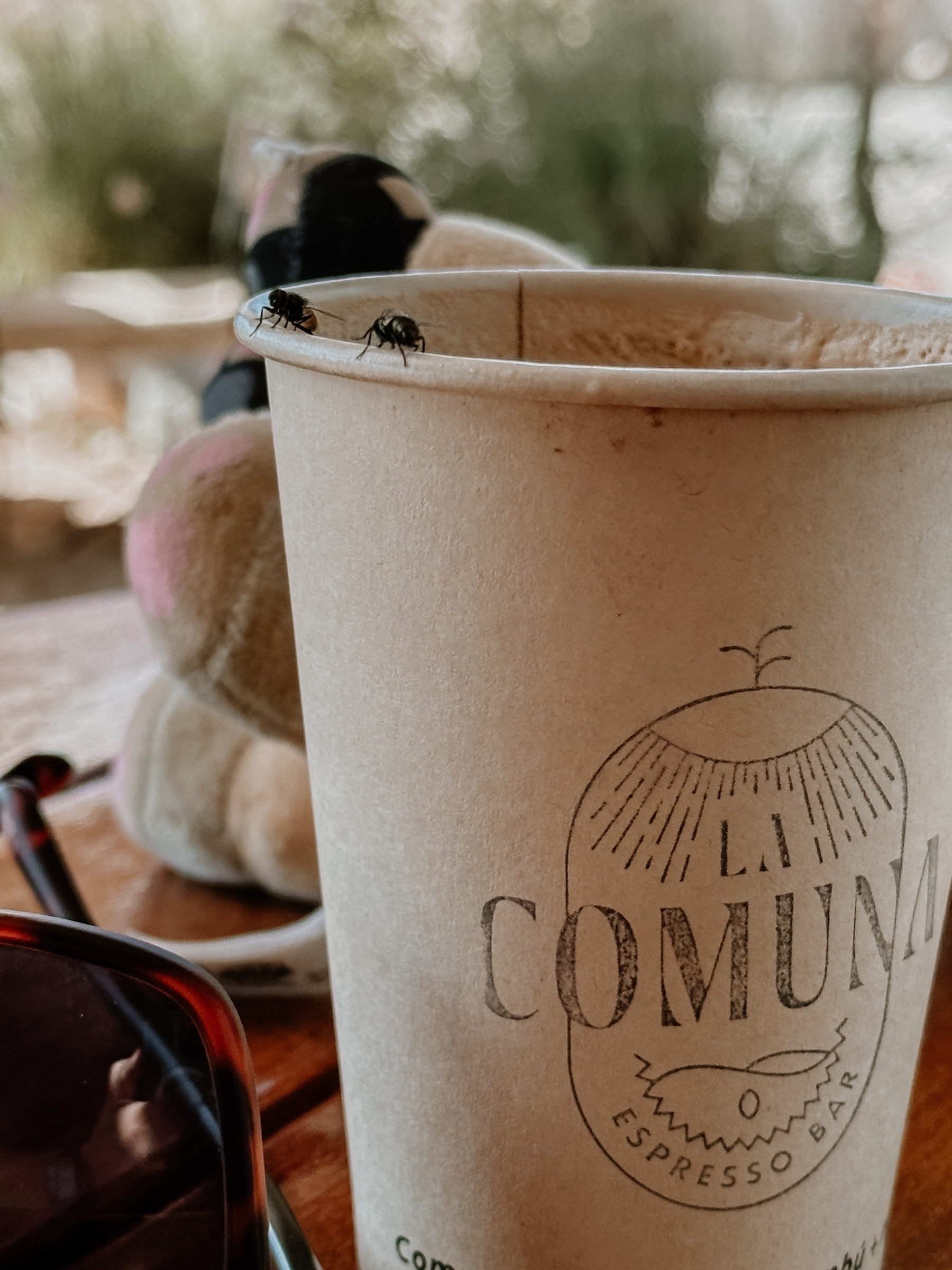
📷 Tiny {people} (#mbmar Micro Blog March photo challenge prompt suggested by @jasonmcfadden)
It was Luna’s turn to decide what we had for breakfast. Her choice? La Esquina, the cafe with pancakes and a playground.

It's easy to laugh at Rupert Murdoch getting engaged for the fifth time at the ripe age of 92, but at least he's doing his part to help the wedding industry after Covid. What are you doing? Have you even considered getting married again?
Maryanne Wolf on reading:
Literacy literally changes the human brain. The process of learning to read changes our brain, but so does what we read, how we read and on what we read (print, e-reader, phone, laptop). This is especially important in our new reality, when many people are tethered to multiple screens at any given moment.
She also quotes this which really makes me want to throw the TV in the bin:
When watching a screen, the infant is bombarded with a stream of fast-paced movements, ongoing blinking lights and scene changes, which require ample cognitive resources to make sense of and process. The brain becomes “overwhelmed” and is unable to leave adequate resources for itself to mature in cognitive skills such as executive functions.
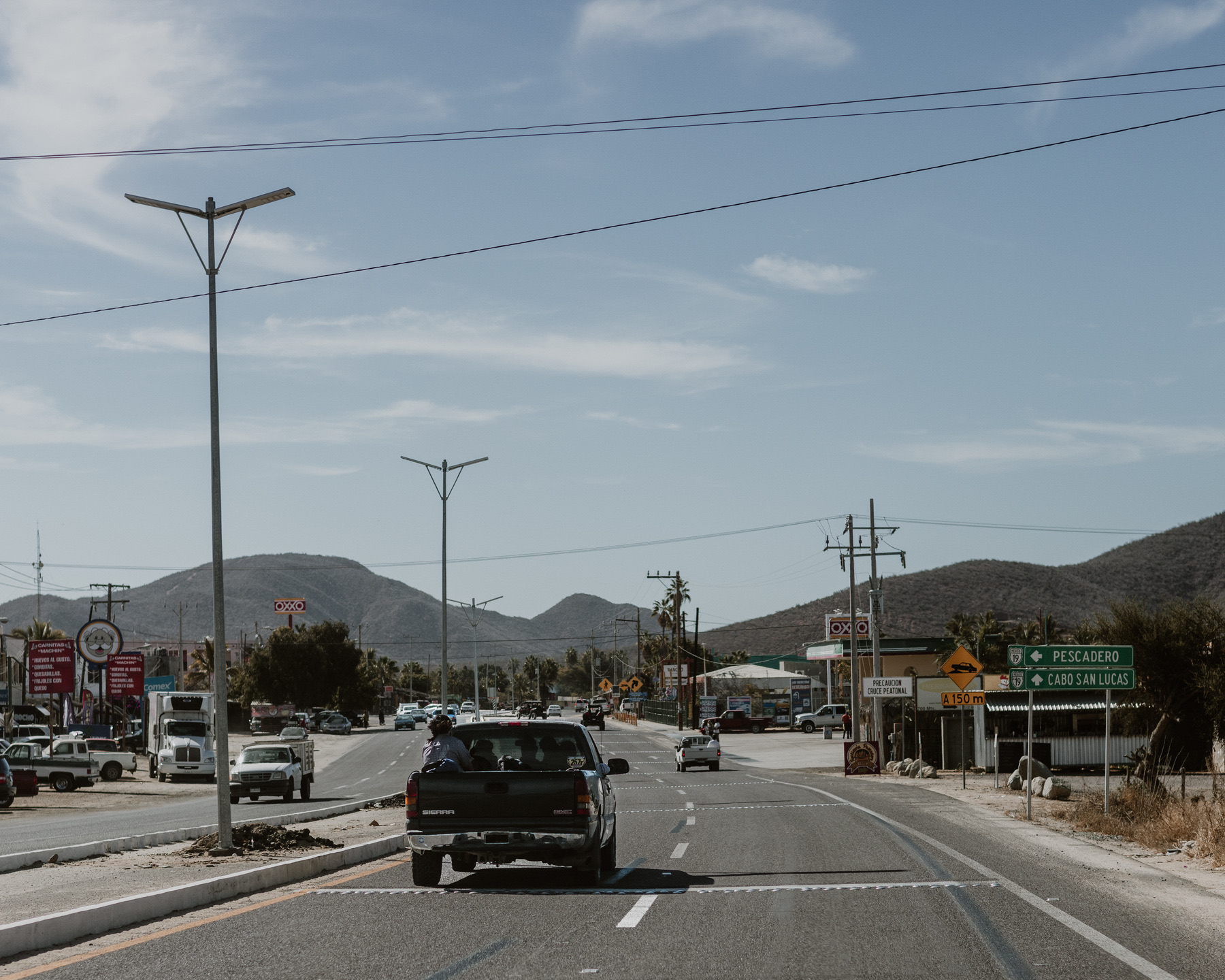
You know yo've really embedded yourself in a Mexican community when you see a friend riding in the back of a truck on the highway.
📷 Houseplant. Did I do the #mbmar Micro Blog March photo challenge prompt right, @jensands)?
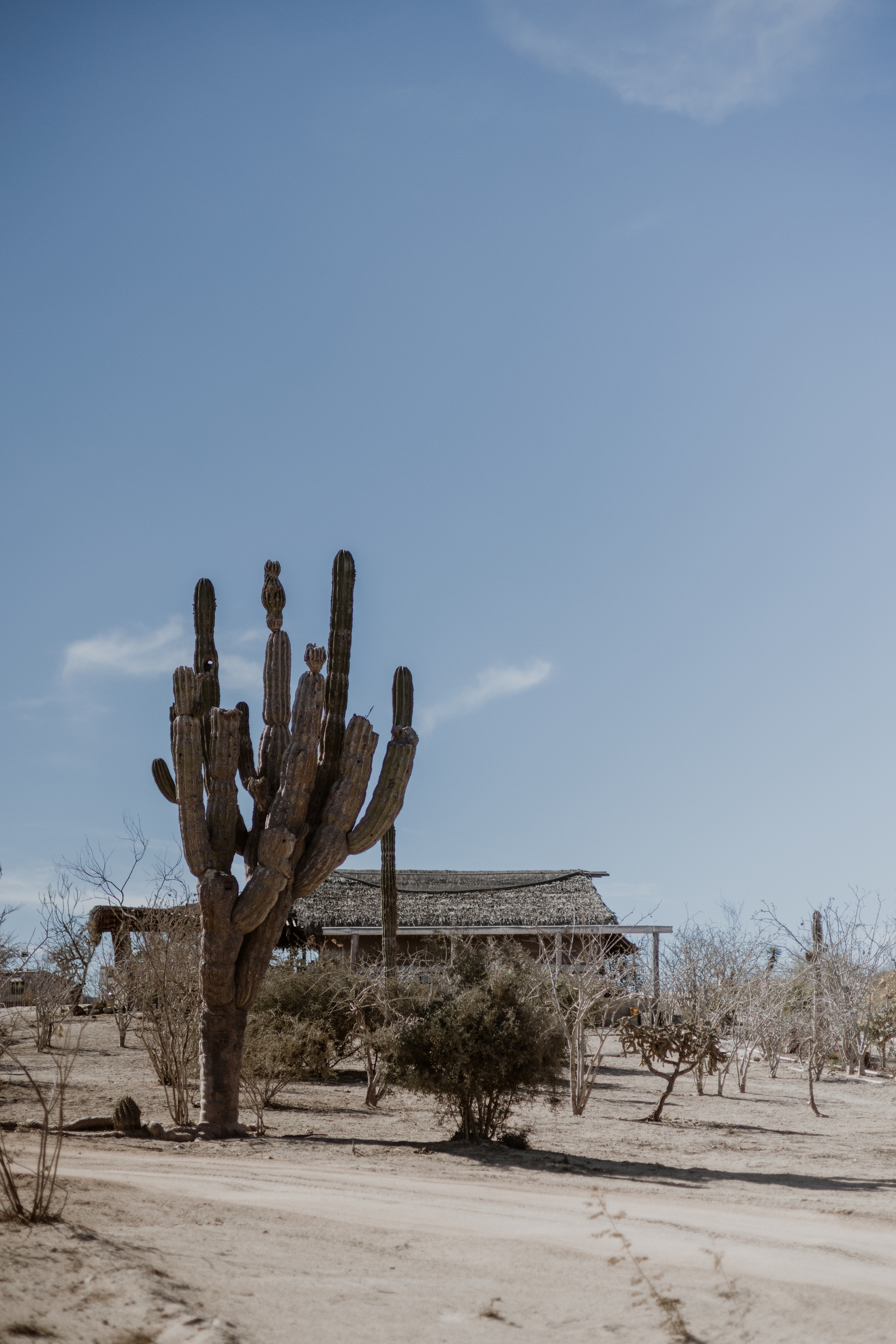
(Photo made a few moments ago on the way to get a coffee in Los Cerritos, Baja California Sur)
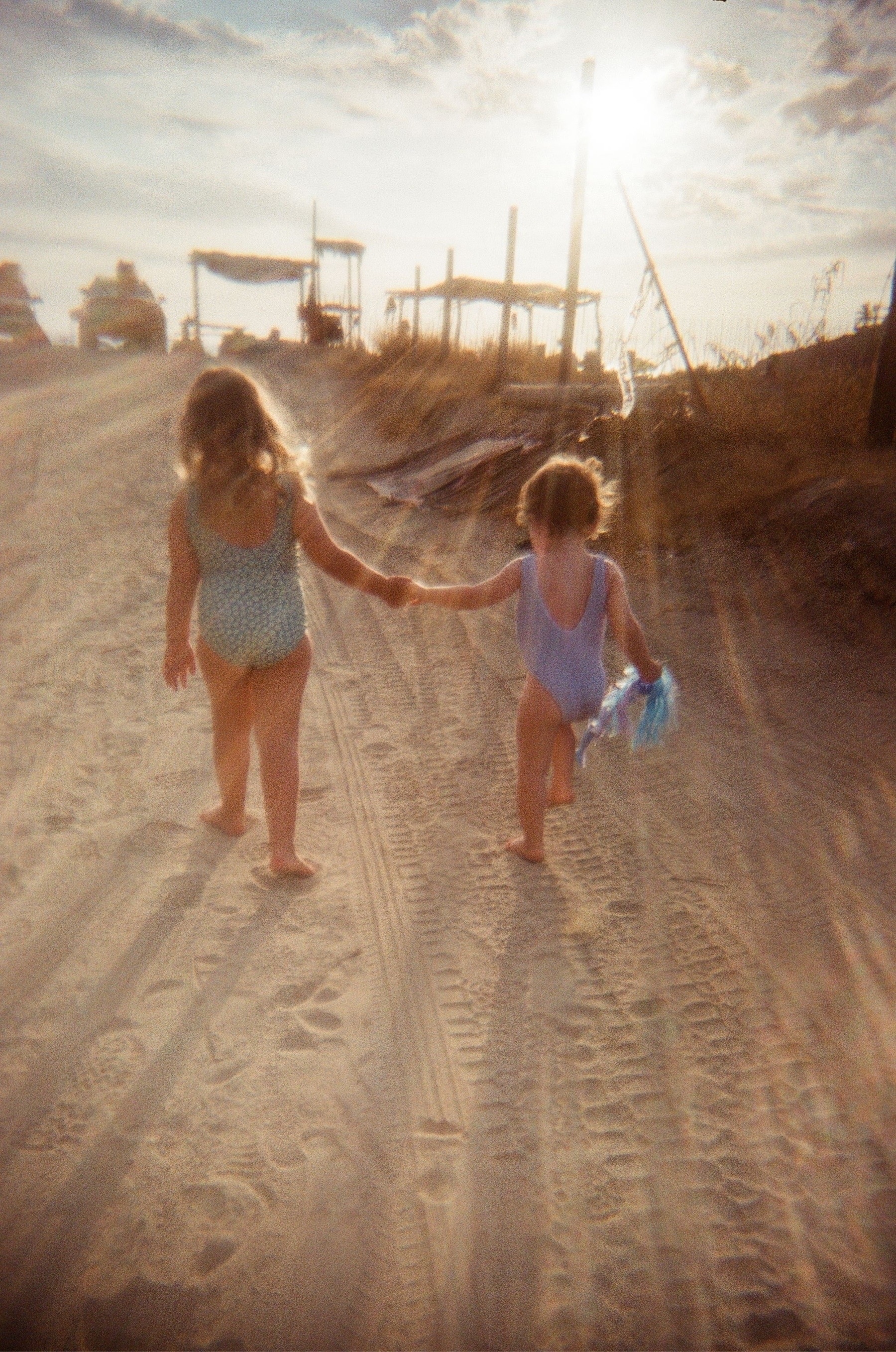
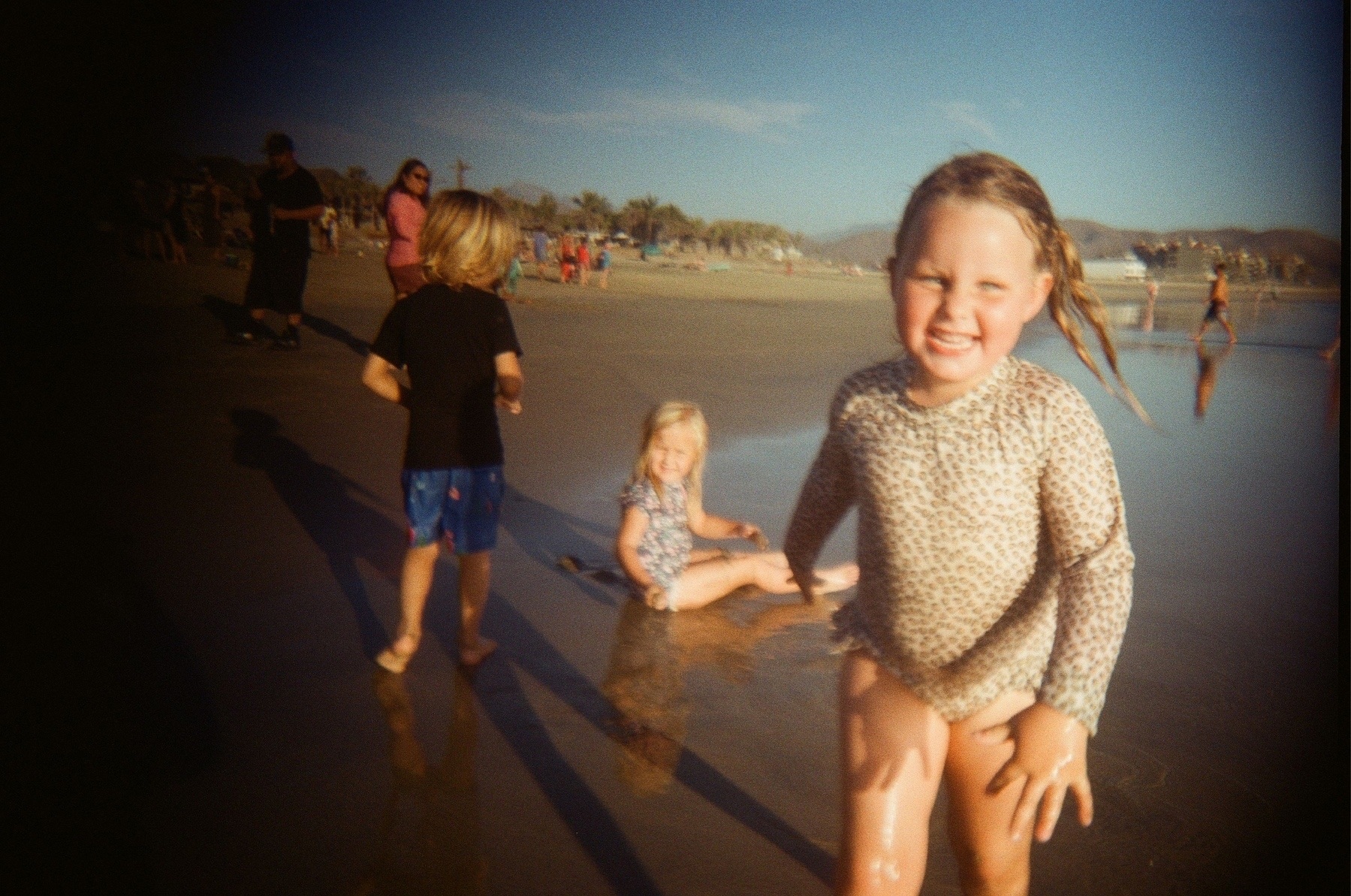
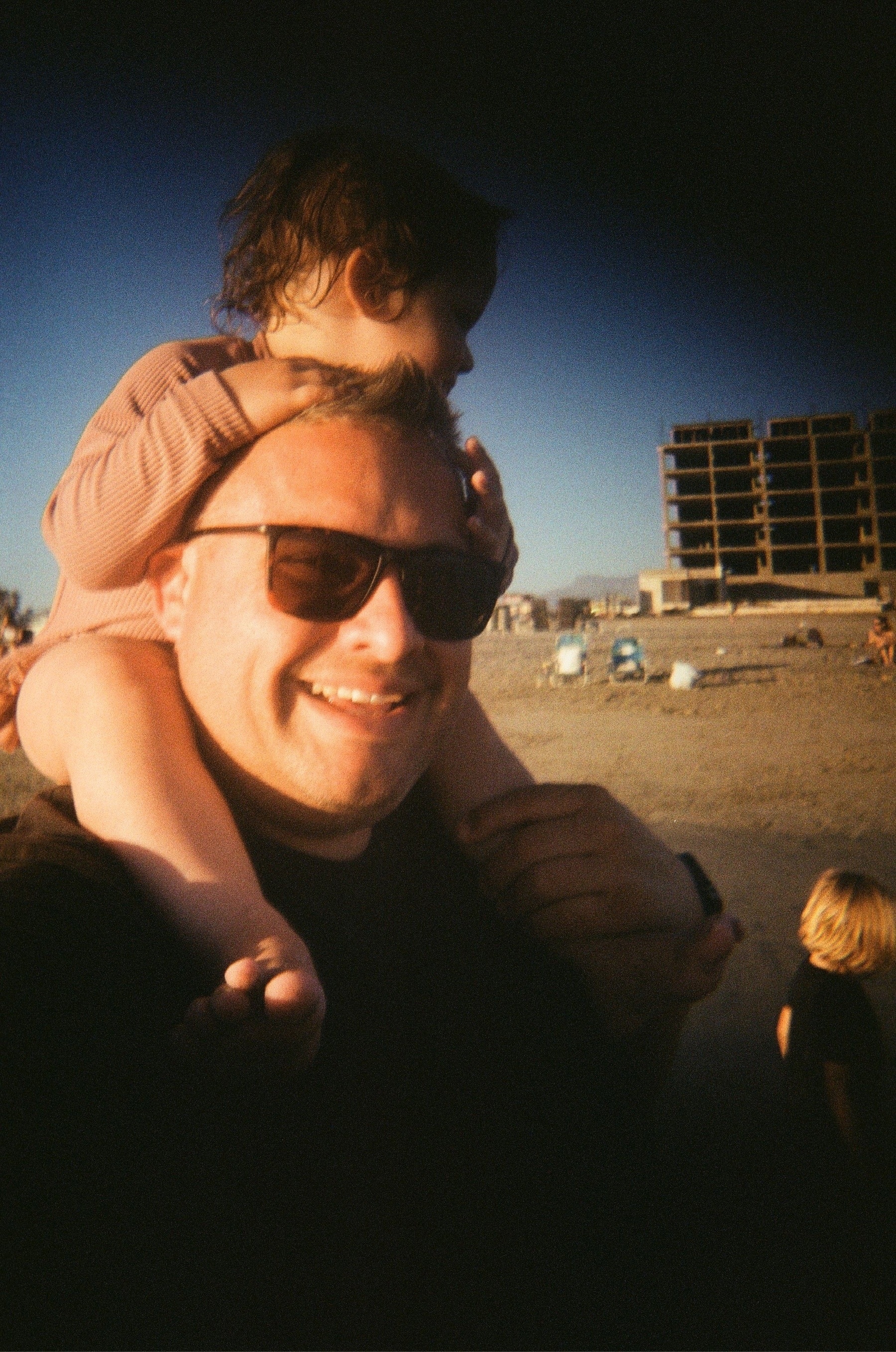
📷🇲🇽 Analog (#mbmar Micro Blog March photo challenge prompt suggested by @skarjune)
I made these photos on Playa Cerritos, Baja California Sur, Mexico, on a broken film camera a week ago, then a few days later they were developed in a photo lab at Currumbin Beach, Australia, and I’m posting them today from Las Tunas, Mexico. The wonders of living in a connected world. (Britt has flown back to Australia this week).
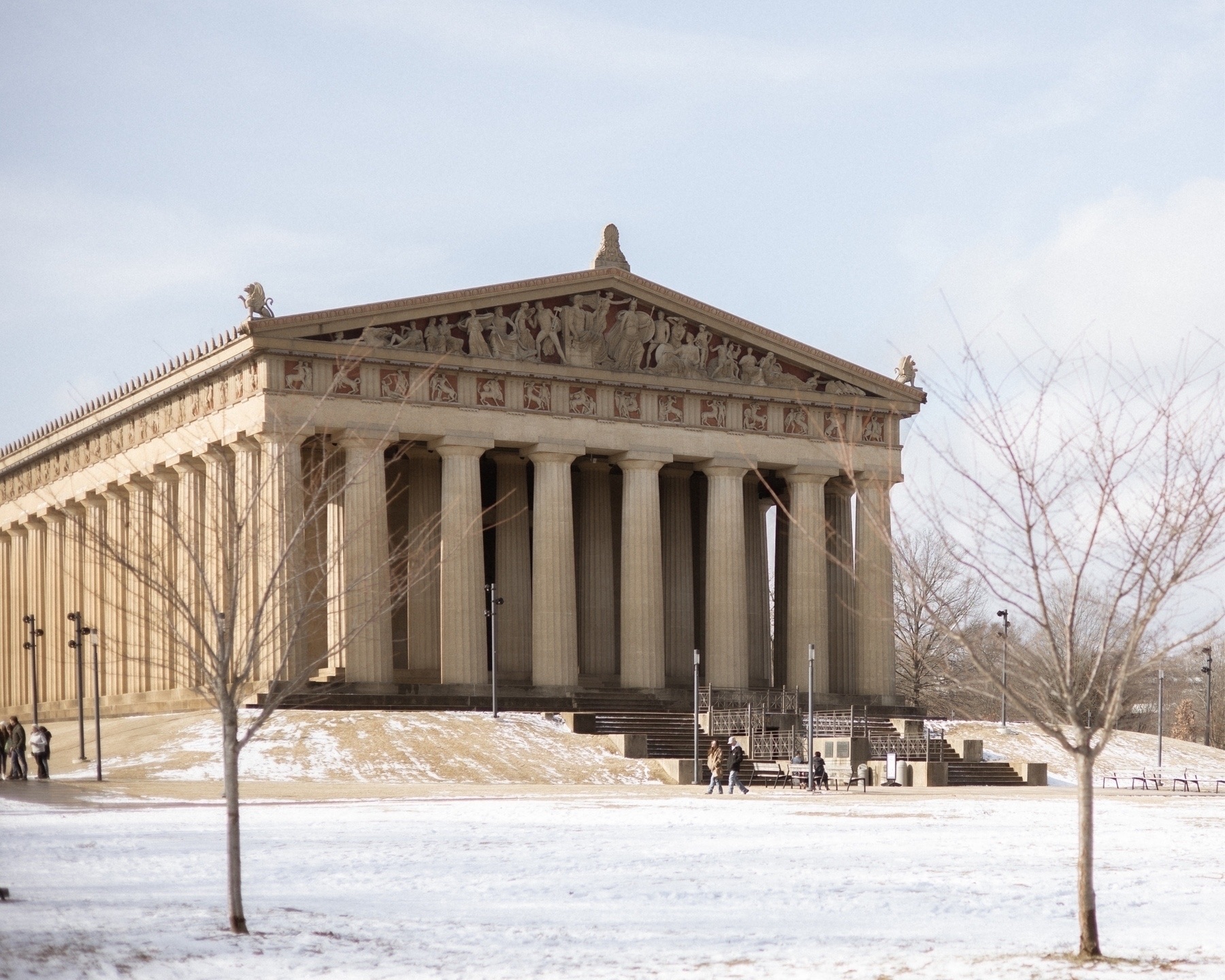
📷 Portico (#mbmar Micro Blog March photo challenge prompt suggested by @annahavrom)
From a snow day in Nashville between Christmas and New Year’s Eve just passed.
Dan Shipper's representation of AI/GPT as a copilot for the mind harkens back to Steve Jobs talking about computers in 1990 as "a bicycle of the mind".
Something that takes us past our inherent abilities.
Ansel Adams:
You don't take a photograph, you make it.
📷 Early (#mbmar Micro Blog March photo challenge prompt suggested by @krisfredrick) also shared on Pexels.

Everyone move along, there’s nothing to see here.
The “crack” on Josh’s iPhone screen that has occupied his sad mind for the last two hours was actually the smallest dried strand of egg yolk draped across his screen, hard enough and thin enough to seem like a crack to the untrained mind.
If only you could’ve seen the look on my face as I scratched off the scratch like a miracle healer.
A bunch of smart people say we need to learn "‘critical ignoring’ – the ability to choose what to ignore and where to invest our limited attentional capacities."
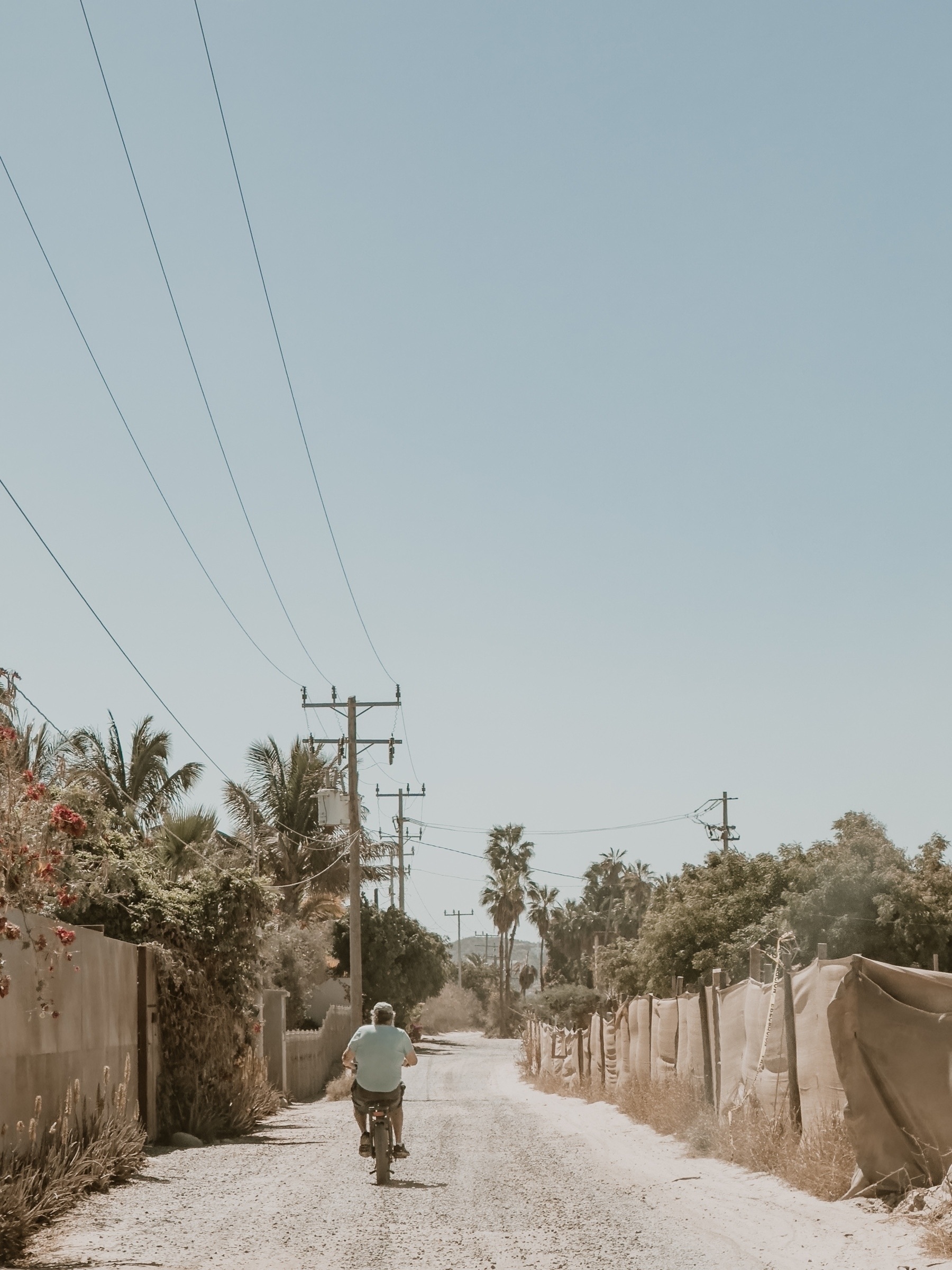
📷 Road (#mbmar Micro Blog March photo challenge prompt suggested by @Dejus)
There’s a saying in Baja that “bad roads bring good people and good roads bring bad people”.
So we keep the ungraded and bumpy dirt roads as an instrument of faith in the neighbours we want.
Alexander Haymen:
“Home is where people notice when you’re not there.”
📷 Patience (#mbmar Micro Blog March photo challenge prompt suggested by @amit)

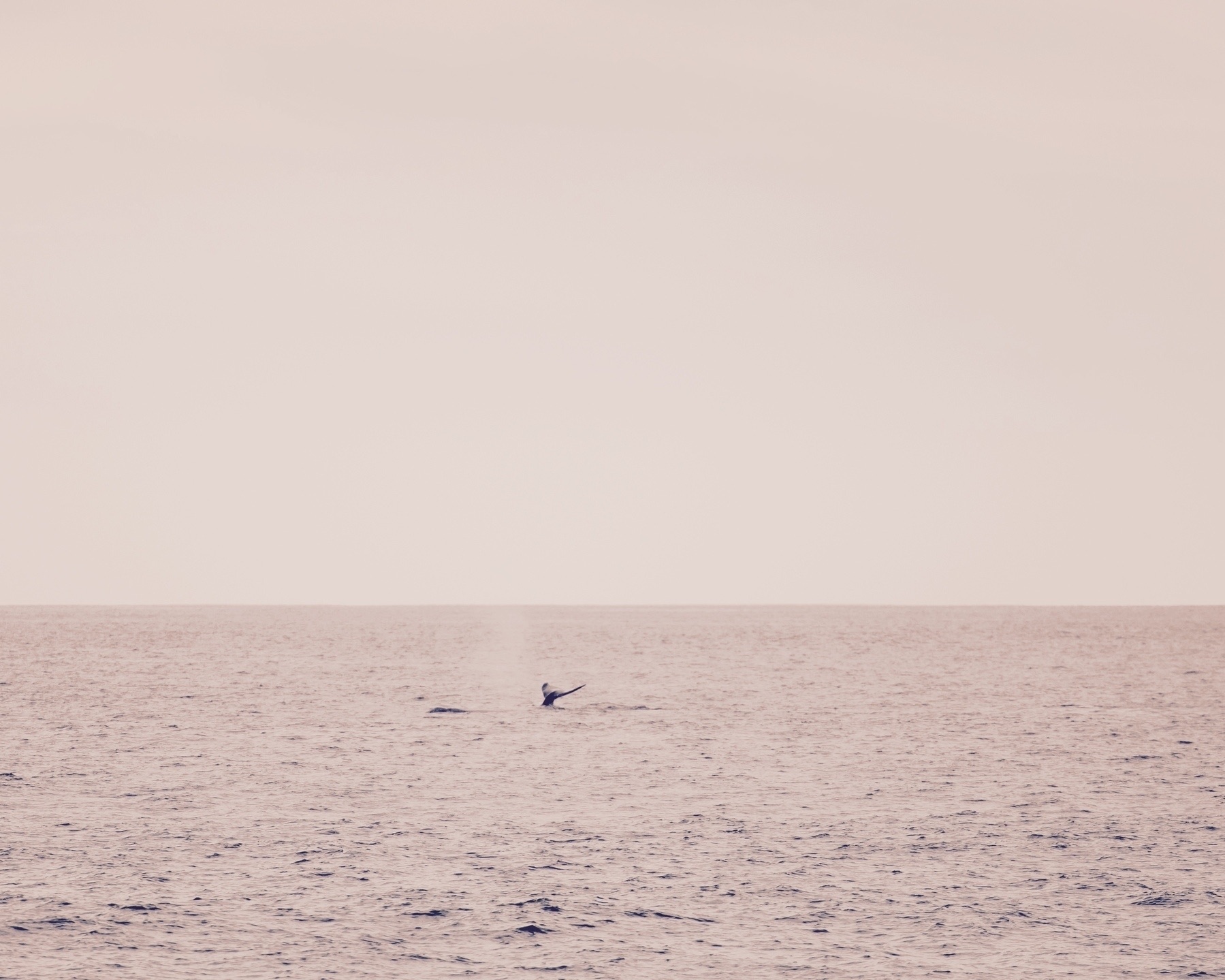
📷 Horizon (#mbmar Micro Blog March photo challenge prompt suggested by @crossingthethreshold)
📷 Connection (#mbmar Micro Blog March photo challenge prompt suggested by @agilelisa)
The moment I connected with my minutes-old first child and daughter.

📷 Shiny (#mbmar Micro Blog March photo challenge prompt suggested by @odd)
The second percolator I’ve owned in Mexico. I forgot the first one was on the stove, on heat. Melted all the plastic components.

📷 Gimcrack (#mbmar Micro Blog March photo challenge prompt suggested by @jafish).
My local tyre shop here in Baja California Sur has real gimcrack vibes.
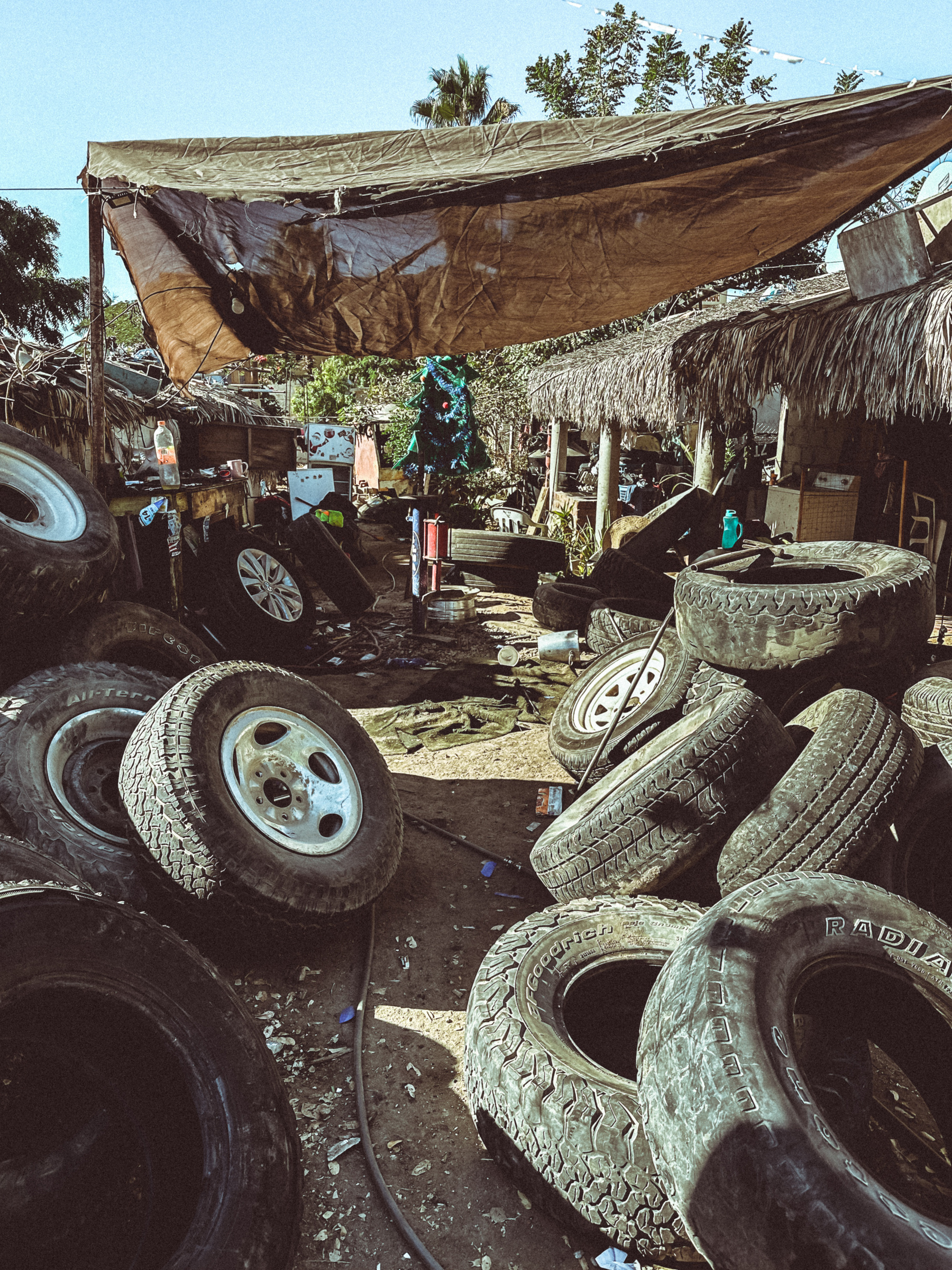
Friday afternoon in Pescadero, Baja California Sur


You're a Miracle by Mike McHargue is a book that zings around the inside of my brain all day every day:
You are a miracle because 86 billion neurons in your brain form into thousands of structures and networks, built from a map created over billions of years to understand the world you live in. But sometimes, you are a pain in your ass because all these networks are running a playbook that’s been around a lot longer than you have. The cells in your body have survived through the eons by eating every delicious calorie they come across, allowing fear to make them run, and using anger to make them fight for their lives.
March 10, 1976, the first and last time "Articulate speech was transmitted intelligibly" over a telephone. For the 147 years since inarticulate speech transmitted poorly has been the theme.